
Written By: Daniel D.
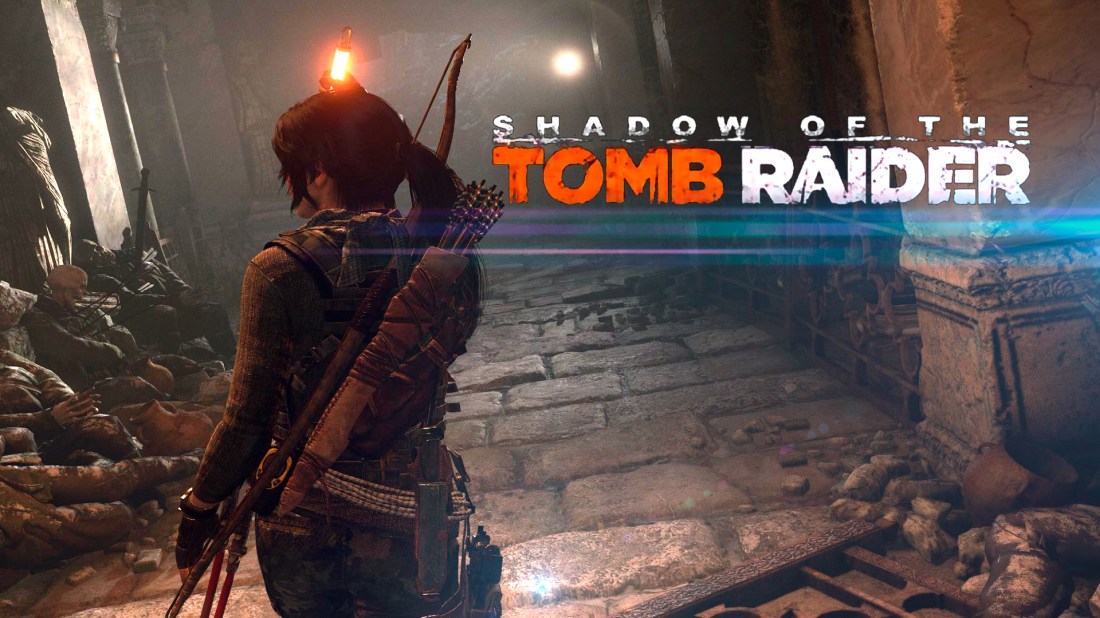
Shadow of the Tomb Raider is the third installment in the Tomb Raider reboot trilogy that began with the 2013 release of Tomb Raider. This entry finds a more seasoned Lara Croft attempting to thwart the evil organisation known as Trinity in their search for an ancient Mayan relic which is thought to have great power.
Gameplay
The story for Shadow of the Tomb Raider is very much one of those tales about a catastrophe that has been unleashed by an unwitting but well-meaning protagonist that results in an adventure to correct the mistake. The story overall is entertaining overall but doesn’t really do anything unexpected or cover any ground that has not already been tread by other, similar stories and IPs.
Much of the core game play from previous entries, especially Rise of the Tomb Raider remains intact. Most of the tools and gear make a return with the main change been the order in which they are obtained. Unlike in previous installments things like rope arrows and the grapple axe are available through the early hours of the game. Some new gear has been added to the rotation such as lock picks and a greater focus on the knife. Another change is that there are more sections of the game where Lara will be accompanied by a companion character to assist them and provide commentary on the current circumstances.
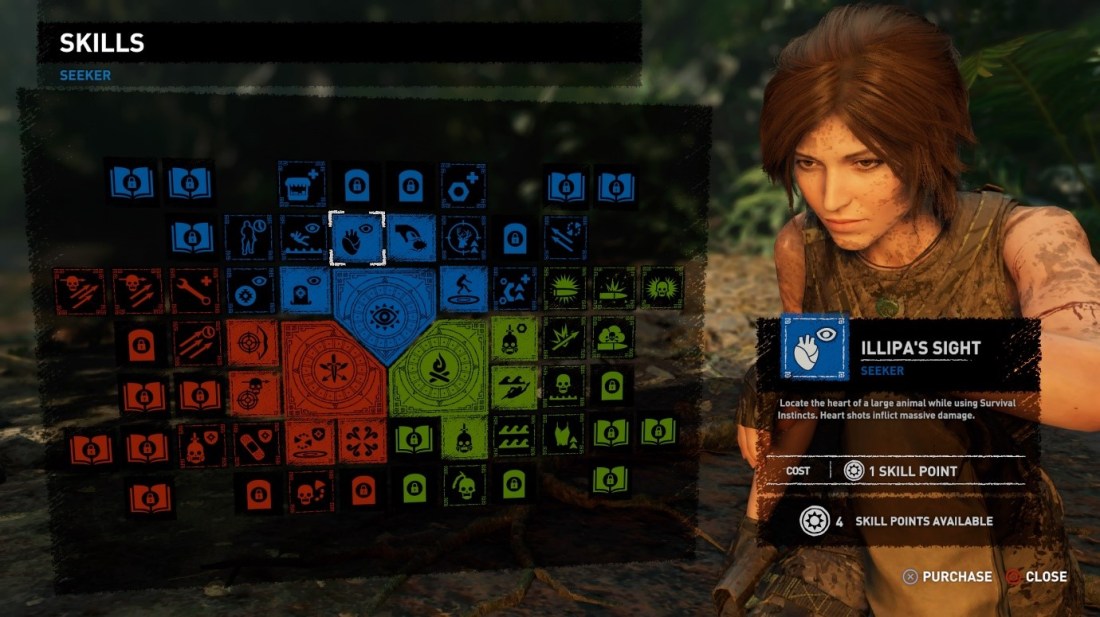
Like in the previous entries skill trees can be developed throughout the course of the game to unlock new skills and boost Lara’s abilities although the tree has received a significant redesign this time round. The tree now shows whether skills must be unlocked through point allocation, through completion of optional tombs or through story progression.
Also returning from Rise of the Tomb Raider are side quests, these are typically located in the new hub towns that are spread out across the story but unfortunately mostly boil down to simple fetch quests which don’t really offer much in the line of interesting game play. What’s worse is that few of them actually reward anything desirable or useful meaning that there is never much incentive to do them beyond doing them just for completion’s sake.
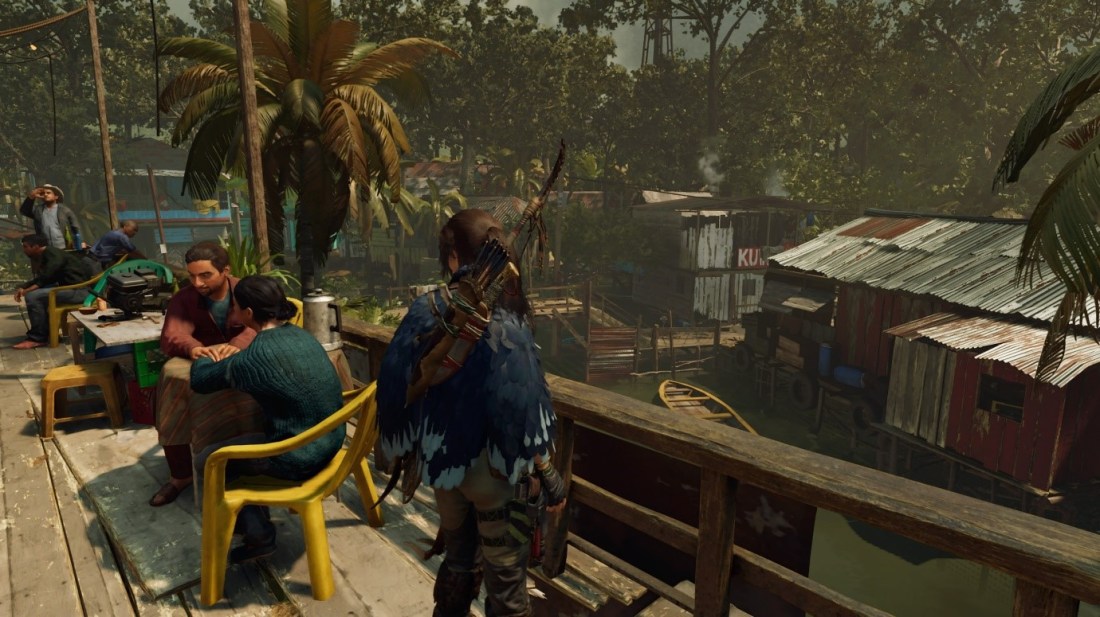
The hub towns also contain market places where the player can trade currency and resources obtained from their travels to obtain crafting materials or some of the more situational gear like lock picks and the rope ascender.
The game has an interesting approach to difficulty where players may customise the difficulty of their experience in three areas; combat, exploration and puzzle. The harder the combat difficulty the more damage you take, and the more health enemies have but on the harder difficulties there is no hit marker attached to the reticle, ammunition is rarer, and enemies detect Lara more quickly. Exploration difficulty covers how well marked climbing paths are, harder difficulties mean that the white paint that normally covers climbable ledges is no longer present so players will have to be more vigilant, it also means that player will have to make more careful use of campfires as they will become your save points and on the hardest difficulty will take resources to light. Puzzle difficulty dictates the frequency at which Lara gives hints to the player but on the harder setting may disable survival instincts and reduce the time available for any timed mechanics associated with the puzzles.
Combat in the game is a lot rarer than in previous entries and even in segments where combat is an option it feels as though the developers are trying to steer the player towards stealth. Lara can’t take much damage in combat and there isn’t the same abundance of ammo available that there was in the previous titles. New stealth mechanics have been added to further encourage stealthy approaches, vine walls spread across combat areas provide players with new places to hide but can also be used to drag enemies out of sight for stealth take downs and Lara can also cover herself in mud to make herself harder to spot.
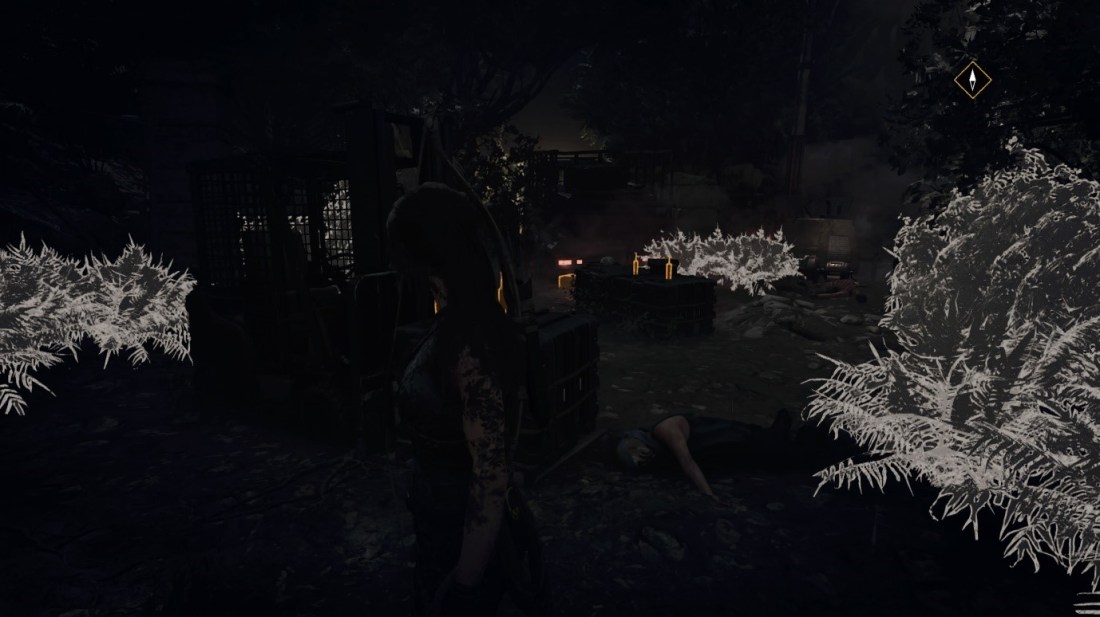
Lara’s survival instinct provides players with a large amount of information amount her surroundings by marking handing places in white and interact-able objects in yellow.
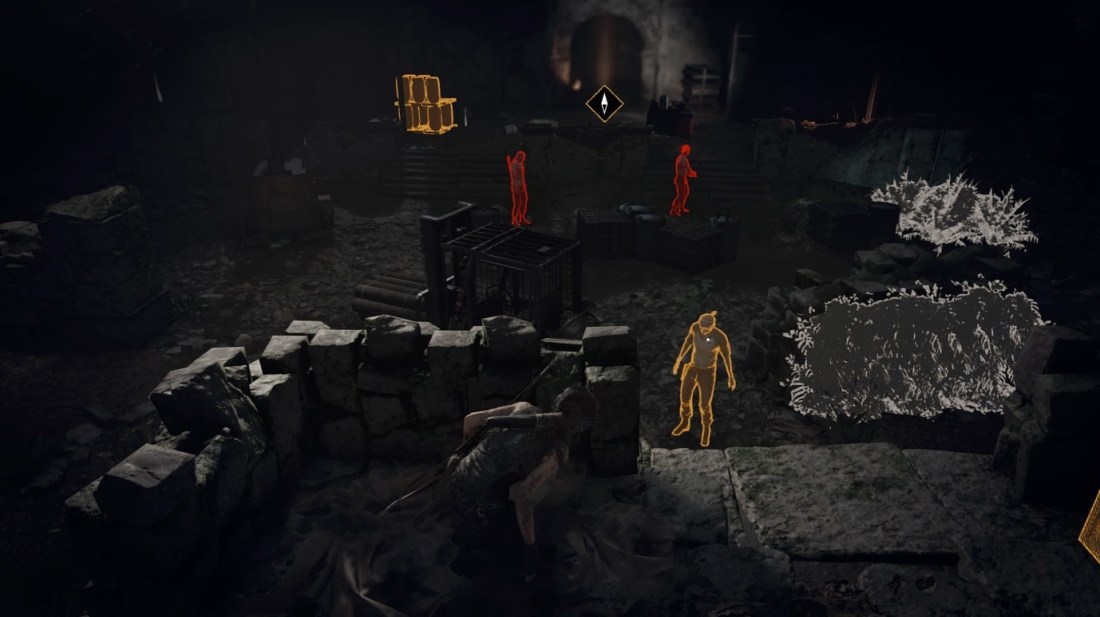
Enemies are also highlighted; red enemies are being covered buy another enemy so taking them out will draw attention and yellow enemies are safe to remove discreetly. These coupled with new arrow varieties and other techniques mean that there will only be a couple of times in the game where the player will actually have no choice but to engage in combat.
Much like the previous games resource gathering is an important aspect of the experience, resources acquired in the wild can be used to craft arrows, weapon upgrades and create new outfits that grant Lara additional perks. With the greater focus on underwater segments in this installment resources may also be acquired while swimming.
Shadow of the Tomb Raider expands on the crafting of mixtures that was introduced in Rise of the Tomb Raider, this time the player can craft more than just healing mixtures. Mixtures can be crafted to enhance Lara’s survival instincts and her endurance.
Lara can once again explore open spaces to uncover optional areas such as crypts and tombs.
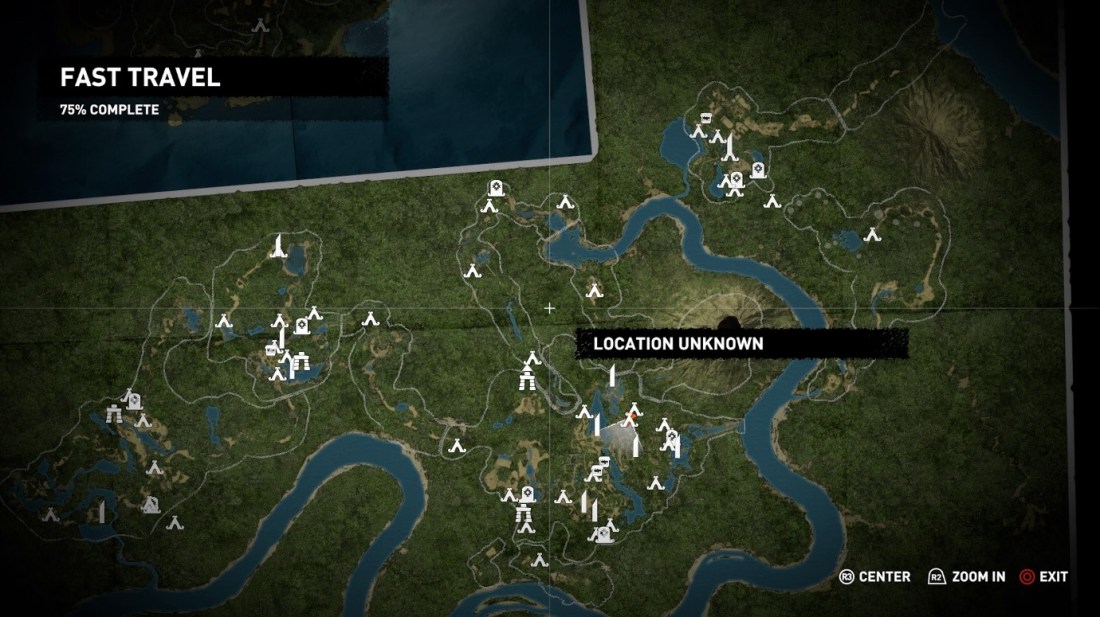
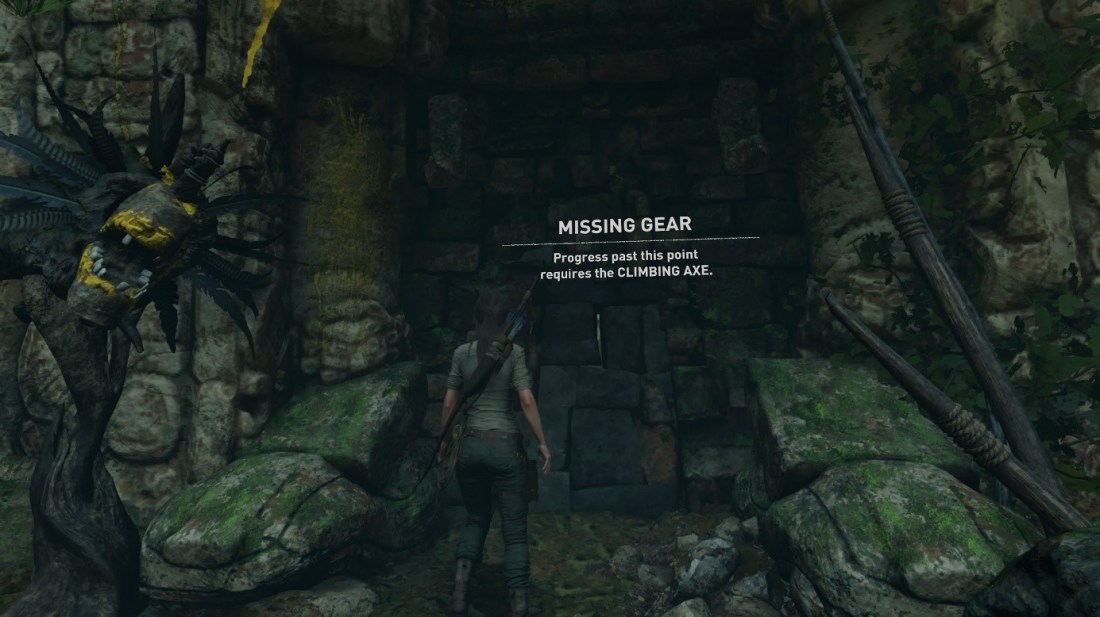
The unfortunate reality is that the majority of these tombs and crypts will not be able explorable as players discover them due to a large majority of them requiring specific gear to gain access.
In the event players actually gain access to tombs they are faced with a variety of traversal-based puzzles and the typical booby-trap clichés. The puzzles in Shadow of the Tomb Raider aren’t particularly taxing, some have their intricacies but for the most part, with Lara’s survival instincts doing the majority of the work, they can be solved within a couple minutes so long as the player is paying attention.
Graphics
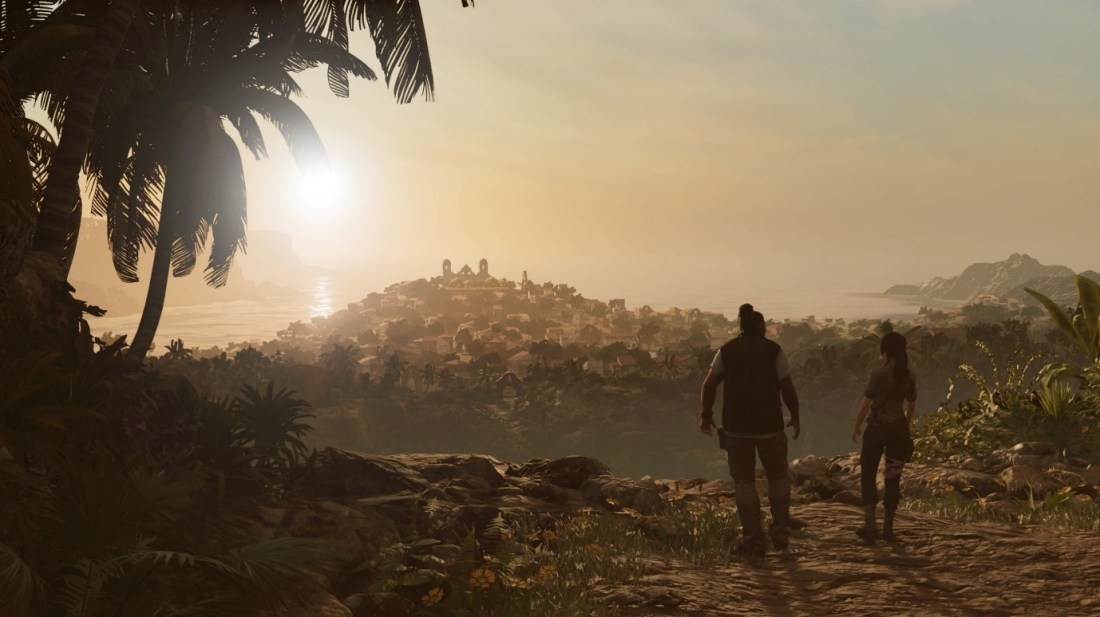
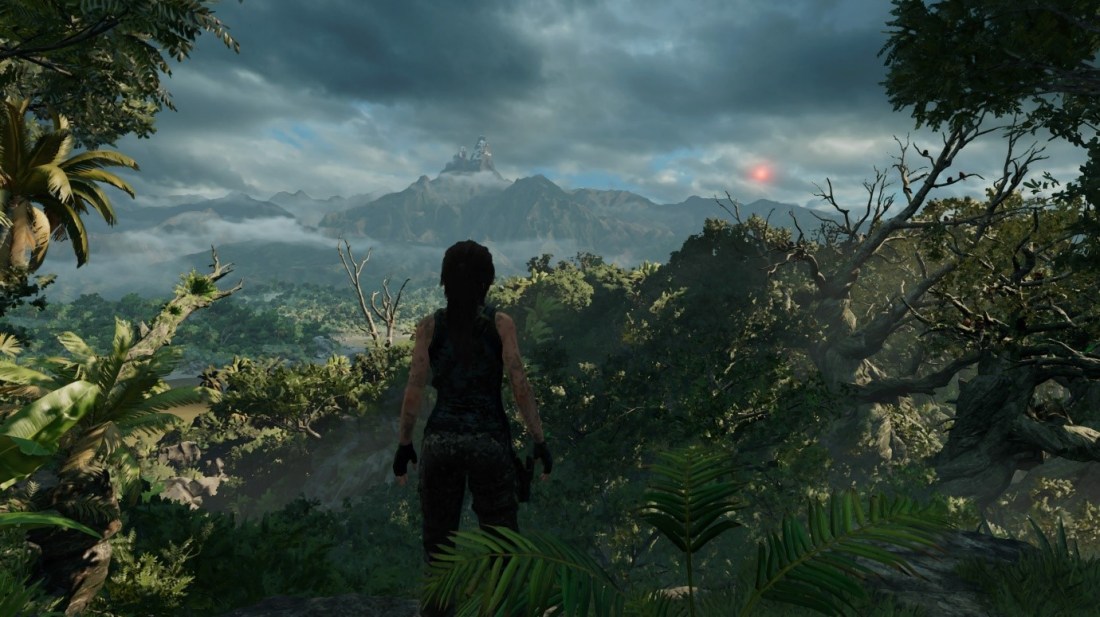
Shadow of the Tomb Raider overall is a very pretty game, its full of intricate set pieces and beautiful vistas, the foliage in the jungles is dense and many of the rock textures convey real depth.
Shadow of the Tomb Raider provides support for PlayStation pro owners much like Rise of the Tomb Raider did, offering players a choice between prioritising frame rates or higher resolution. Even prioritising frame rate on PS4 pro I still experienced periods of dropped frames in hub towns and certain transitional areas in the game world.
For the most part in combat and moving around in the world the animations are pretty solid but during my play through I noticed some questionable animations in cut scenes and the jumping animations when climbing trees sometimes look rather odd, as if Lara has magically floated upwards.
Audio
There are some interesting audio options that players can mess with, players can decide what languages are spoken by the NPCs within the game as they can be made to speak their native languages for the sake of immersion or they can be left speaking the player’s language for the convenience of players that do not care about those kinds of details.
The game is full of pretty solid ambient audio that sets the scene pretty well in most cases but it’s in cut scenes that the cracks in the audio really shows. I lost track of the number of cut scenes that felt as though they were missing audio tracks, these range from missing impacts on thrown rocks to scenes with many characters present that feel devoid of noise and life. These issues are by no means game-breaking but are noticeable.
Replay Potential
Shadow of the Tomb Raider is a mostly linear gaming experience so there is not much room for variation in how players experience the bulk of the content it has to offer but it does offer a number of distractions in its pseudo-open world setting. After completing the main story of the game players who are more interested in total completion may return to before the final encounter to collect any outstanding treasures, complete crypts and tombs they may have missed and purchase all the weapons and upgrades. The game also offers a New Game + mode for those who may want to play again on a harder setting with all their previous gear and skills unlocked.
Value for Money
Whether or not Shadow of the Tomb Raider is worth the money comes down to whether the player in question enjoyed what the previous games, particularly Rise of the Tomb Raider, had to offer. Shadow of the Tomb Raider is much the same game in many ways, offering a change in setting and some new toys and mechanics to work with compared to previous instalments so for any fans of the previous entries this game is worth a try, otherwise, I would wait for sale.
Conclusion
Shadow of the Tomb Raider is a decent game, its mostly solid across the board but does nothing revolutionary or special with the genre. It has a beautiful setting and offers some interesting puzzles but at times feels bloated and outstays its welcome in certain areas. The tombs and crypts are fun to discover but far too many of them are unavailable when they are naturally discovered, and their rewards offer little to no incentive to backtrack. I enjoyed my time with Lara’s final outing overall, but it never quite reaches the heights of her first.
Score
75/100
Pros
+ Beautiful setting
+ Improvements to stealth
+ Customisable Experience
+ Fun Traversal
Cons
– Side quests monotonous
– Too much content gated by unobtained gear
 The Gaming TechLits